

Burlington Slate Review for Heritage Roofs
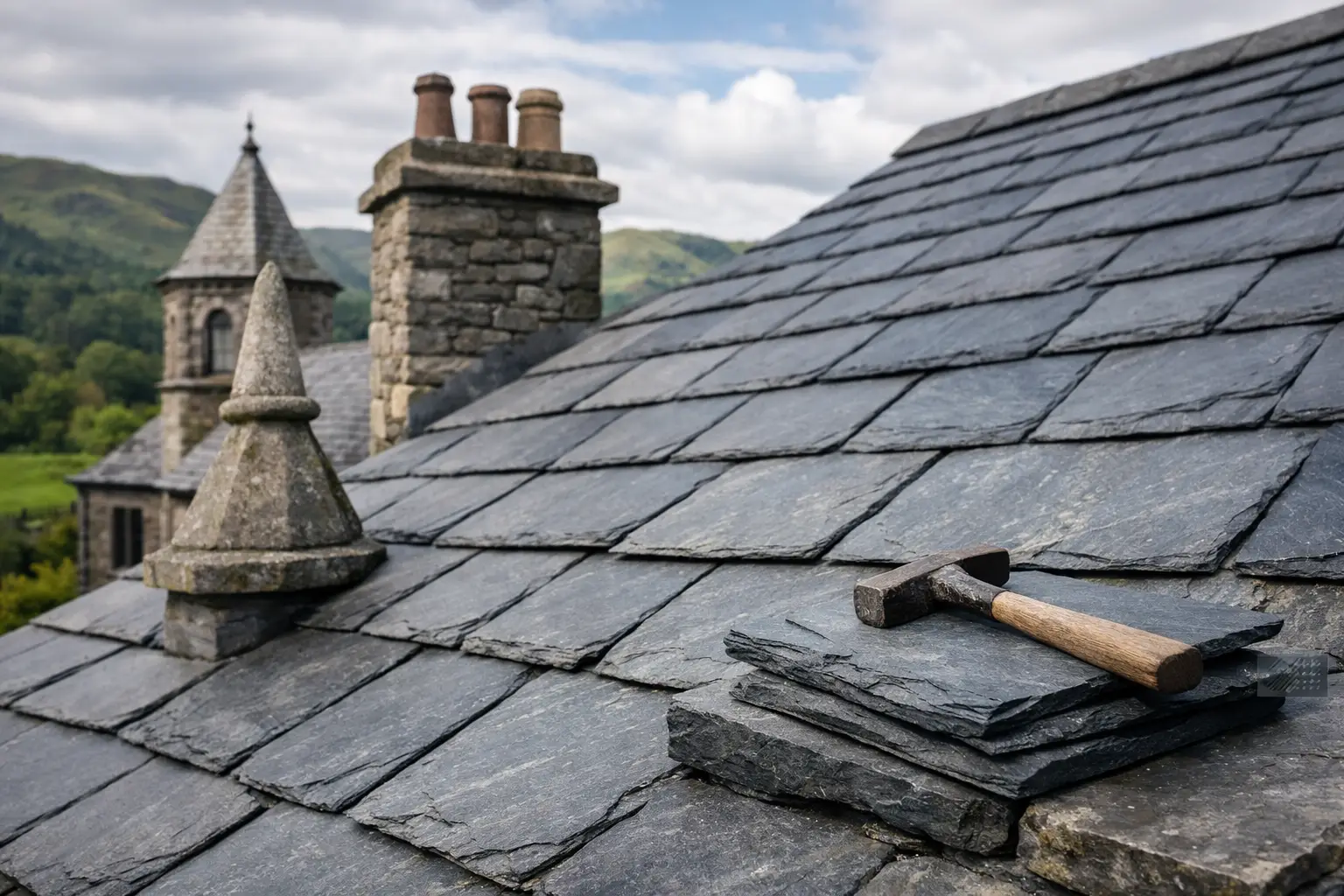
If you are weighing up slate options for a period property or a high-specification reroof, a proper Burlington slate review needs to go beyond appearance. Burlington slate has a strong reputation for durability, a distinctive natural finish and excellent performance on demanding roofs, but whether it is the right choice depends on the building, the budget and how closely you need to match existing materials.
For contractors and property owners dealing with heritage work, repairs or selective replacement, that distinction matters. A slate can be technically excellent and still be the wrong fit if the colour, thickness or dressing does not sit comfortably with the roof already in place.
Burlington slate review – what sets it apart
Burlington slate is widely recognised as one of the premium slate options used on UK roofs. Quarried in Cumbria, it is known for its strength, long service life and refined appearance. The stone typically carries a blue-grey to green-grey tone, often with subtle variation that gives a roof depth rather than a flat, manufactured look.
That natural variation is part of its appeal. On quality period properties, listed buildings and higher-end residential projects, Burlington slate often looks more settled and authentic than imported alternatives. It has a crisp, dense character and a finish that suits traditional architecture particularly well.
Performance is a major part of the appeal too. This is not simply a decorative material. Burlington slate has a long-standing reputation for weather resistance, low water absorption and durability in exposed conditions. When fixed correctly and specified properly, it is a slate chosen for the long term.
Appearance and character on the roof
A roof finished in Burlington slate tends to look sharp without appearing harsh. The colour palette is restrained, which makes it suitable for both rural and urban properties, and it works especially well where planners, conservation officers or clients want a roof that feels established rather than overly uniform.
For complete reroofing projects, that consistency of character is a benefit. For repairs, the picture is more complicated. New Burlington slate may not be an exact visual match for aged slates already on a roof, even if the source material is broadly compatible. Existing roofs weather at different rates, and reclaimed slate often blends more naturally where patch repairs are required.
That is one of the main trade-offs worth stating plainly. If you want the technical quality of Burlington but are repairing an older roof, reclaimed Burlington slates can often give a better result than new stock because the tone, edge wear and roofed-in appearance are closer to what is already there.
Durability and long-term value
Any serious Burlington slate review has to acknowledge its durability as one of the core reasons buyers consider it in the first place. This is a hard-wearing slate with a service life that, under correct installation and normal maintenance conditions, can extend for decades.
That long lifespan changes the cost discussion. Burlington slate is not usually the cheapest route into a finished roof, and it is rarely bought by customers who are looking for the lowest initial outlay. It is chosen where lifespan, appearance and material quality justify the spend.
For contractors, that means fewer compromises on specification. For homeowners, it can mean a higher upfront cost but better long-term confidence. On significant restoration projects, that durability also helps support the wider goal of doing the work properly once rather than carrying out piecemeal repairs with unsuitable substitutes.
Sizes, thickness and practical specification
This is where product knowledge matters. Slate selection is not just about naming a material. You need the right dimensions, thickness, hole position and grading for the roof pitch, exposure level and visual requirement.
Burlington slates are available in a range of sizes and specifications, but not every roof should be treated the same. A large formal roof slope may suit a consistent, carefully laid pattern. A repair to an older roof may call for a more sympathetic approach with reclaimed pieces selected to suit the existing coursing.
Thickness is especially important in matching work. If replacement slates are too heavy in section compared with the original roof covering, they can stand proud and draw the eye immediately. If they are too slight, they can look out of place in the opposite direction. That is why many trade buyers and experienced renovators prefer to source from specialists who understand matching rather than simply ordering slate by name alone.
New versus reclaimed Burlington slate
This is often the key decision. New Burlington slate offers reliability in specification, cleaner consistency and a straightforward route for full reroofing projects. If you are covering a complete roof and want a premium natural slate with established credentials, it makes strong sense.
Reclaimed Burlington slate comes into its own when visual continuity matters most. On period properties, partial repairs and conservation-led work, reclaimed material can help preserve the roof’s established character. It also supports a more sustainable approach by keeping serviceable roofing materials in use.
The right choice depends on the job. For a full new roof on a heritage-style extension, new slate may be perfectly suitable. For replacing a section after storm damage on an older property, reclaimed Burlington slates are often the better answer because they reduce the contrast between old and new.
A good supplier should be able to talk through that difference in practical terms, not simply push one option across every enquiry.
Burlington slate review – where it works best
Burlington slate is particularly well suited to period properties, listed building work, substantial country houses, churches, traditional townhouses and high-quality bespoke homes. It also suits projects where the roof is a visible architectural feature rather than just a covering overhead.
That said, suitability is not only about prestige. Burlington slate can be the right choice on straightforward domestic projects where the client wants a dependable natural material with a long life and a more authentic finish than many lower-cost alternatives.
Where it may be less suitable is on tightly cost-driven jobs where the budget points firmly towards a more economical slate. In those cases, the question is not whether Burlington is good enough. It is whether the project genuinely requires what Burlington offers.
Cost considerations and value for money
Burlington slate sits towards the premium end of the market, so any honest review has to address price. Buyers are paying for a recognised natural slate with strong technical performance, heritage suitability and lasting visual appeal.
Value for money depends on what you need from the roof. If the brief is a short-term cosmetic improvement at the lowest possible spend, it may not be the right fit. If the brief is long-term performance, architectural quality and proper compatibility with a traditional building, the higher purchase cost can be justified.
There is also the cost of getting the match wrong. Cheap slates that look out of place, weather poorly or fail to sit properly with existing materials can create expensive problems later. For restoration and sensitive repair work, the material decision should not be based on unit price alone.
What to check before buying
Before ordering Burlington slate, confirm whether you need new or reclaimed stock, the exact slate size required, the thickness range, and whether the roof is being fully stripped or locally repaired. You also need to think about associated materials such as fixings, battens, underlay and leadwork, because performance relies on the whole roofing system rather than the slate alone.
It is equally important to ask how the slate has been graded and inspected. With reclaimed products in particular, quality control matters. Sound reclaimed slates can offer excellent service, but only if they have been properly sorted and checked before supply.
This is where a specialist merchant has clear value. ReclaimedRoofSlates.com serves buyers who need exact materials rather than vague approximations, and that matters when you are trying to match an existing roof or quote accurately for a restoration job.
Final view on Burlington slate
Burlington slate earns its reputation. It is durable, visually credible and well suited to heritage and premium roofing work. The main question is not whether it is a good slate, because it is. The real question is whether you need new or reclaimed material, and how exact the match must be for the roof in front of you.
If the job demands longevity, authentic character and a roof finish that will still look right years from now, Burlington slate remains one of the stronger choices in the market. Get the specification right at the start, and the roof has every chance of rewarding that decision for a very long time.

