

Where to Buy Reclaimed Tiles for Your Roof
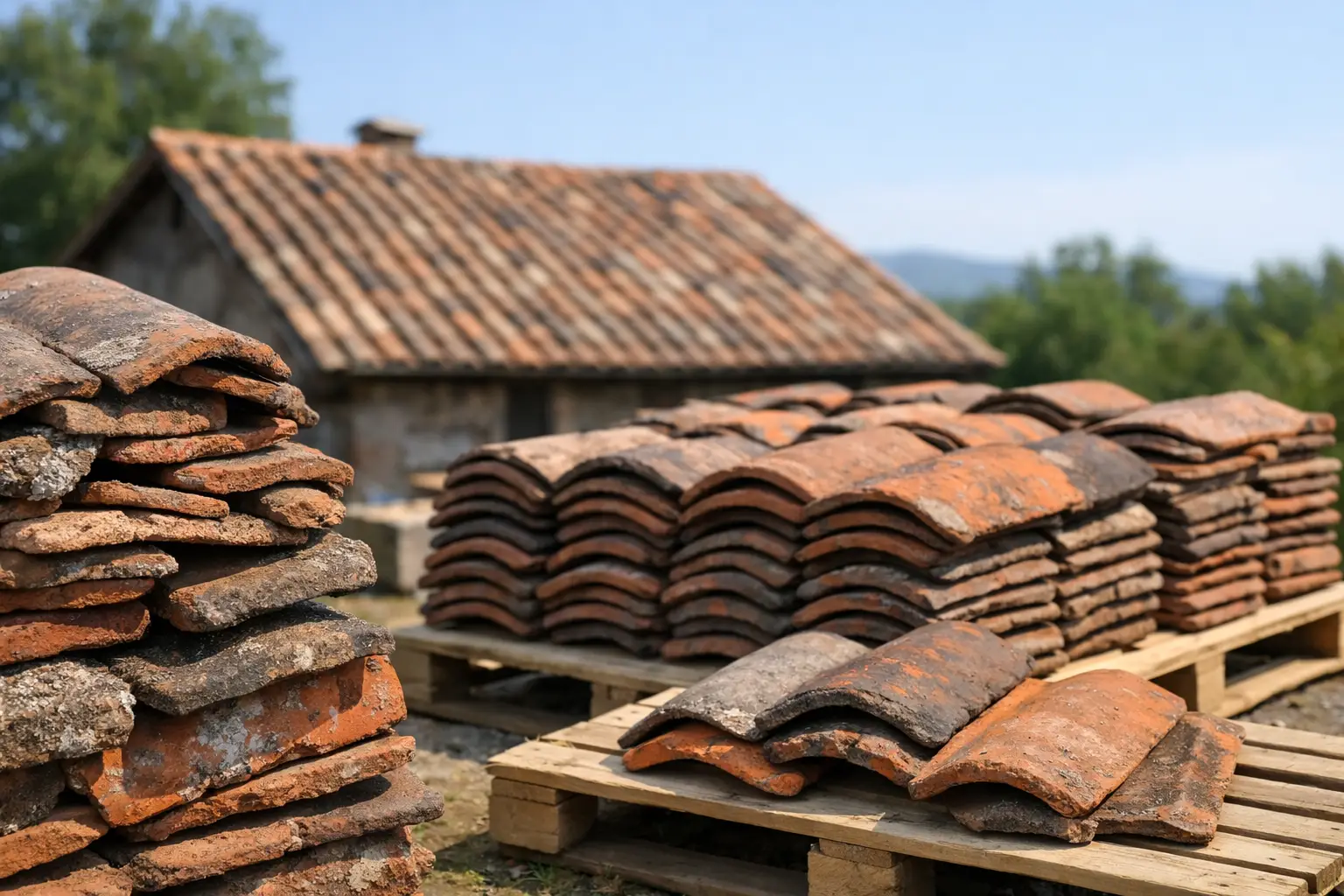
A missing tile on a weathered roof is rarely a simple replacement job. The new piece must sit comfortably among decades of ageing, match the roof’s profile and colour, and perform properly through another British winter. Knowing where to buy reclaimed tiles is therefore about more than finding old stock. It is about securing the right material, in a usable condition, from a supplier who understands what is on the roof already.
For period properties, conservation work and sympathetic extensions, reclaimed roof tiles often provide the closest visual and practical match available. They carry the character that new products can struggle to reproduce, while putting sound materials back into service rather than sending them to landfill.
Where to Buy Reclaimed Tiles for Roofing Work
A specialist reclaimed roofing merchant is usually the most reliable place to start. Unlike a general salvage yard, a dedicated supplier handles roof materials every day and can help identify whether you need clay plain tiles, machine-made tiles, Rosemary tiles, ridge tiles, valley tiles or a particular slate. This matters when a roof needs more than a similar-looking replacement.
Specialist suppliers also tend to hold stock in meaningful quantities. That is essential for a full reroof, a large repair or an extension where consistency across a roof slope matters. A single reclaimed tile may be easy to find. Locating several hundred that are broadly compatible in size, profile, weathering and colour is a different task altogether.
ReclaimedRoofSlates.com supplies reclaimed slates and heritage roof tiles alongside the practical materials needed to complete the work, from fixings and lead to battens, sealants and PPE. For contractors, this reduces the risk of having the right tiles but being delayed by missing essentials. For homeowners, it provides access to specialist knowledge before committing to a material that may be difficult to exchange once work has begun.
Architectural salvage yards can be useful for unusual, decorative or very small requirements. However, stock can be unpredictable, and tiles are not always sorted, measured or checked to the same standard as those held by a roofing specialist. Auctions, online marketplaces and private sellers may occasionally offer a bargain, but they carry greater risk where quantity, condition and provenance are unclear. They are best treated as supplementary sources rather than the main supply route for a critical roof repair.
Start by Identifying the Tile, Not the Colour
The most common mistake is choosing a replacement by colour alone. Reclaimed clay tiles vary naturally, and two tiles that look close on the ground can behave very differently once laid. Profile, gauge, hanging length, width, thickness, nib position and interlocking detail all affect whether a tile will work on the roof.
If possible, take a sound sample from the roof to compare against available stock. Measure its overall dimensions, but also examine its underside. The nib, headlap area and shape of the water channels are often more useful identifiers than the face. For interlocking tiles, check the side and head interlocks carefully. A near match may not engage correctly, leaving an unsightly line or a route for water ingress.
On older roofs, expect variation. Handmade clay tiles can differ slightly from one tile to the next, while reclaimed batches may include a range of shades developed through firing and weathering. This is not necessarily a problem. In fact, controlled variation is often what gives a heritage roof its proper appearance. The aim is compatibility, not an artificially uniform finish.
A roofer familiar with traditional materials can assess the existing roof and advise whether a direct match is required or whether a carefully blended alternative will be acceptable. This is particularly valuable on prominent front elevations, within conservation areas, or where planning and heritage requirements apply.
What Good Reclaimed Tile Stock Should Look Like
Reclaimed does not mean untested or poor quality. A sound reclaimed roof tile may have already given decades of service and still have many years of life remaining. The value lies in selecting stock that is fit to return to a roof, rather than simply old.
Look for tiles that have been inspected for major cracks, frost damage, excessive delamination and broken nibs. Clay tiles should give a clear ring when lightly tapped together, although this is only one basic check and should not replace proper inspection. Edges and corners may show minor wear, which is normal, but damage that affects the lap, interlock or fixing point can make a tile unsuitable.
Ask how the material has been sorted and whether the stated dimensions are nominal or measured. With reclaimed products, a batch can contain tolerances, so ordering should account for sensible variation and wastage. A specialist supplier should be able to explain the nature of the stock honestly, including whether it is suitable for patch repairs, complete slopes or blending with existing materials.
It also pays to consider the accessories at the same time. Ridge and hip tiles, valleys, undercloak, leadwork and appropriate fixings can be just as difficult to match as the field tiles. Ordering them early avoids discovering late in the job that a compatible ridge or valley detail is unavailable.
Buying the Right Quantity
For a small repair, buying a few spares above the immediate requirement is sensible. Roofers can reject the occasional tile during fitting, and keeping a handful for future maintenance may save a difficult search later. On a larger project, calculate coverage using the tile’s actual gauge and roof design rather than relying solely on a generic tiles-per-square-metre figure.
The roof pitch, headlap, verge detail, valleys, hips, dormers and cuts around abutments all increase the quantity required. A straightforward rectangular roof has less waste than a complex period roof with multiple features. Your roofer should calculate the order, but it is worth confirming whether the figure includes an allowance for breakages, cuts and selection from a reclaimed batch.
Do not assume every tile from a demolition lot is usable. If you are buying material that has not been professionally sorted, the usable yield may be substantially lower than the number collected. This apparent saving can disappear once labour, breakages and delays are considered.
Delivery, Storage and Timing
Reclaimed roof tiles are heavy, and delivery arrangements deserve proper attention. Confirm the access available for a lorry, whether offloading equipment is needed and where pallets can be placed safely. Restricted access in city streets, including many London projects, may require a more carefully planned delivery than a rural site with open storage.
Store tiles on level, stable ground and keep different types or sizes clearly separated. Avoid stacking them where they will obstruct access or create unnecessary handling for the roofing team. If the job is phased, protect the stock from site damage and make sure the most consistent tiles are reserved for the most visible areas of the roof.
Lead times can also shape the decision. Reclaimed stock is finite and batch-specific. Once a suitable batch has been identified, delaying an order can mean it is no longer available. For repair work following storm damage, this is especially relevant: provide photographs, measurements and a sample promptly so the search can begin before temporary repairs turn into a longer-term problem.
When Reclaimed Is Not the Best Option
Reclaimed tiles are not automatically the right answer for every roof. A modern roof with a readily available current tile may be better served by new material, particularly where an exact product match can be obtained and the project needs guaranteed uniformity. Equally, a small hidden repair may not justify sourcing a rare heritage batch.
The stronger case for reclaimed materials is where appearance, age compatibility and continuity matter. A Victorian terrace, a farmhouse, a listed building or an older property with discontinued tiles will often benefit from the character and practical fit of genuine reclaimed stock. It depends on the roof, the visibility of the repair, the available budget and the condition of the existing materials.
The best purchase starts with a clear sample, accurate measurements and an honest assessment of what the roof needs. Buy from a supplier that can identify the material, explain its condition and provide enough stock for the job – plus a sensible margin for fitting and future repairs. That approach gives the finished roof the best chance of looking right from the pavement and performing as it should for years to come.

