

Best Roof Sealants for Repairs That Last
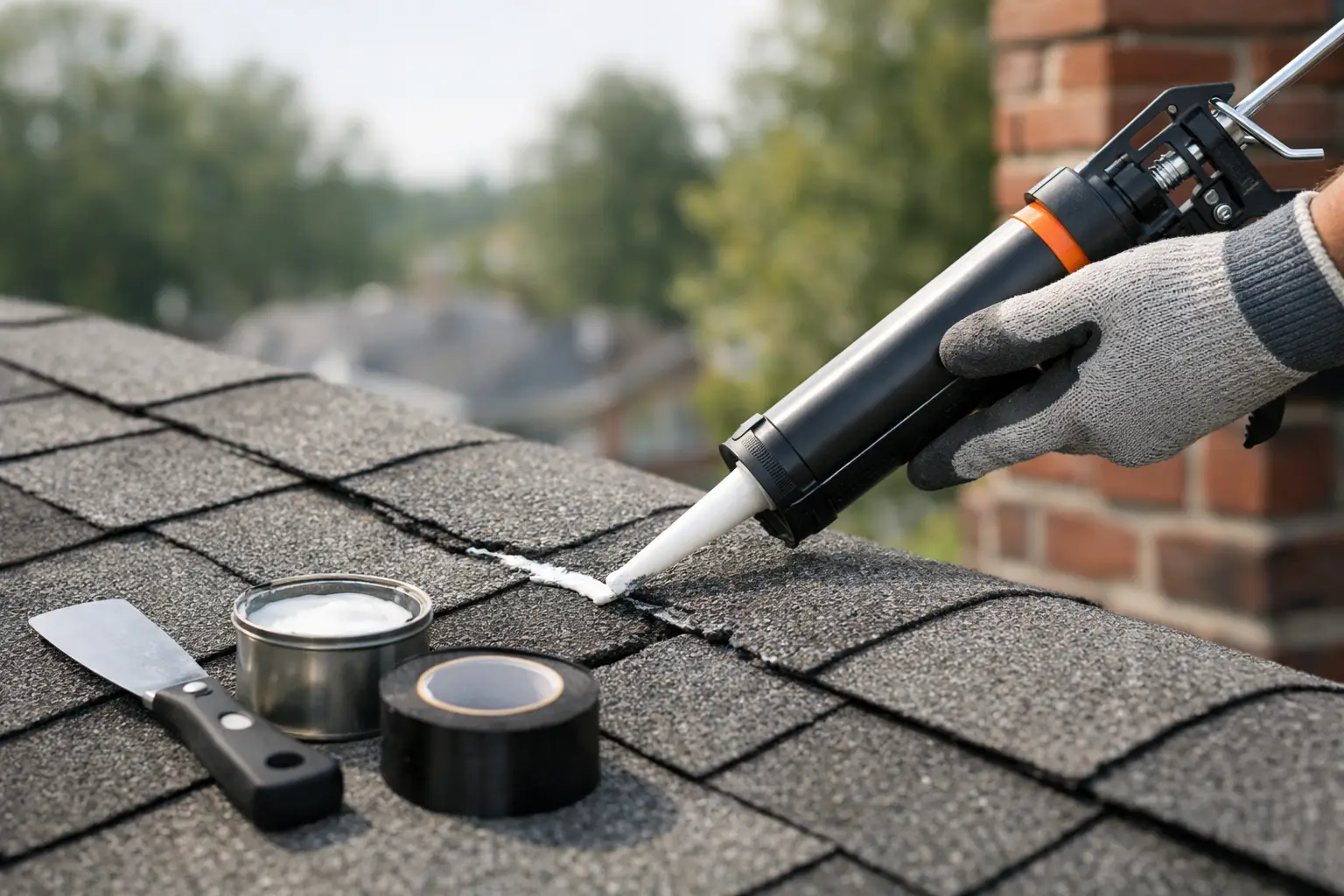
A tube of sealant can stop a small leak quickly, but it can also conceal a failing detail until water has damaged battens, underlay and ceilings. The best roof sealants for repairs are those matched to the material, the movement in the joint and the location of the defect. They are not a universal substitute for replacing slipped slates, failed flashings or broken tiles.
For slate, tile and heritage roofs in particular, the first task is to identify where water is entering. Rain can track beneath a cracked slate, run along a rafter, or escape through a split in a lead valley several metres from the visible damp patch. A sound repair begins with inspection, then uses sealant where it genuinely provides a durable weatherproof joint.
Best roof sealants for repairs by application
Roof sealants are usually chosen for adhesion, flexibility and compatibility with the substrate. The right product for a small crack in leadwork is not necessarily suitable for bedding a ridge tile or sealing a gutter joint.
Butyl sealant for flashing laps and overlapping details
Butyl-based sealants are a reliable choice for many roofing joints because they remain flexible and adhere well to common roof materials. They are particularly useful for sealing laps in lead, soakers, metal flashings, roof vents and certain plastic components.
Their flexibility matters where two materials expand and contract at different rates. Leadwork moves noticeably with changes in temperature, and a rigid filler can crack away from the joint. Butyl sealant is generally best used in a clean, dry, closely fitting joint rather than as a thick surface patch over a wide gap.
Check that old mortar, loose corrosion and previous sealant have been removed first. A sound lap with a properly applied bead is far more dependable than applying more product over a contaminated surface.
Roofing mastic for small, localised defects
Bitumen roofing mastic is commonly used for local repairs to felt, bituminous surfaces, gutters and certain flashing details. It is useful where the surrounding material is dry and stable, particularly for sealing hairline splits or bedding small components that do not require a visible finish.
The limitation is that mastic is not a cure for movement, rotten timber or a failed roof covering. It can become brittle over time, and it is rarely the right answer for a period slate roof where the issue is a missing slate, open nail hole or deteriorated valley. Use it sparingly and only where the material manufacturer confirms compatibility.
Neutral-cure silicone for metal and plastics
Neutral-cure silicone is suited to many metal and plastic joints, including some rooflight, vent and gutter repairs. It retains flexibility and offers good resistance to weathering when applied to a properly prepared surface.
Avoid assuming that any general-purpose silicone belongs on a roof. Acetoxy silicones can react adversely with certain metals, while silicone is difficult to paint and can make future repairs harder if it is spread beyond the joint. On traditional leadwork, a correctly formed lap and appropriate sealant are preferable to silicone smeared across the face of the flashing.
Polyurethane sealant for demanding joints
Polyurethane sealants offer strong adhesion and flexibility, making them suitable for more demanding exterior joints between compatible materials. They can be useful around flashings, roof penetrations and timber or masonry interfaces where a tough, flexible bond is required.
They are not always the easiest material to work with. Preparation is critical, and some products need a primer or have limitations on damp surfaces. Read the technical information rather than choosing solely on colour or price. A black sealant may look discreet on a roof, but a poor material match will still fail.
When sealant is the wrong repair
A roof leak often points to a mechanical fault rather than an unsealed joint. On reclaimed and heritage roofs, sealing over the visible symptom can compromise both appearance and long-term performance.
A cracked, delaminating or slipped slate should normally be replaced with a compatible slate, correctly fixed and dressed into the roof. Sealant may help with a minor edge detail in limited circumstances, but it should not be relied on to hold a slate in place. Slates need to shed water in overlapping courses, not be bonded together with adhesive.
The same applies to broken clay tiles. A replacement tile that matches the profile, size, gauge and weathering of the existing roof is usually the proper repair. For period properties, using an inappropriate modern tile can disrupt the roofline and create fitting problems. Reclaimed slates and tiles are valuable because they can preserve both the character and the practical arrangement of the existing roof.
Failed mortar bedding at ridges, hips and verges also needs careful judgement. Small gaps may be locally repaired with a suitable bedding or pointing compound, but widespread cracking, loose tiles or movement in the roof structure calls for lifting and rebedding. Sealant alone cannot safely secure heavy ridge tiles exposed to wind uplift.
Preparing the repair properly
Even the best sealant will fail if it is applied over wet moss, dust, loose mortar or old degraded compound. Preparation takes most of the time in a durable roof repair.
First, work out whether the area can be safely reached. Roof work should be carried out with suitable access equipment, fall protection and PPE. A repair is not worth the risk of working from an unsecured ladder or walking across fragile slates.
Once access is safe, remove loose material from the joint without damaging the surrounding slate, tile or flashing. Brush away debris and allow the surface to dry where the product requires it. For metal, remove oxidation only to the extent needed to create a clean bonding surface. For porous materials such as brick or mortar, check whether a primer is specified.
Apply a controlled bead rather than a broad layer. The sealant needs to contact both sides of the joint and remain thick enough to accommodate movement. Tool it neatly where required, but do not force it into areas designed to drain. Blocking the lower edge of a flashing or a tile lap can trap water behind the repair.
Allow the product to cure for the stated period before exposing it to heavy rain where possible. Then inspect the repair from inside the loft after the next rainfall. Look for staining, wet underlay or water tracking along timbers, as these signs can reveal a separate defect higher up the roof.
Choosing sealant for slate and heritage roof repairs
Heritage roofing demands a more restrained approach than many modern roofs. Welsh slate, Burlington slate, Yorkshire stone slate and handmade clay tiles are long-lived materials, and their repair should respect how the roof was originally built.
Use sealant primarily on associated details such as flashings, valleys, pipe penetrations and carefully assessed joints. For the roof covering itself, prioritise compatible replacement materials, correct lap, suitable fixings and sound battens. This maintains breathability, drainage and the visual continuity that matters on older properties.
It is also worth considering future maintenance. A thick coating of mastic across slates can make individual replacements difficult and leave a conspicuous patch. A properly selected reclaimed slate, fixed with copper nails or a suitable repair fixing where appropriate, is often cleaner, more durable and easier for the next roofer to work with.
A practical buying checklist
Before purchasing a roof sealant, confirm the substrate and the repair type. The label should state that the product is suitable for exterior roof use and compatible with the material involved. Check whether it can be applied in damp conditions, its service temperature range, curing time and whether a primer is needed.
Also buy for the complete repair. A leaking valley may require replacement lead, clips, fixings and compatible slates as well as sealant. A single source for reclaimed roofing materials and day-to-day accessories helps avoid delays once the roof is opened up. ReclaimedRoofSlates.com can assist with matching reclaimed slates and complementary roofing essentials where a repair needs more than a tube of sealant.
The most effective repair is usually the least intrusive one: replace failed materials, restore correct laps and drainage, and use a suitable sealant only where it has a clear job to do. That approach protects the roof’s character as well as the building beneath it.

