

Clay Tile Longevity: What Makes a Roof Last?
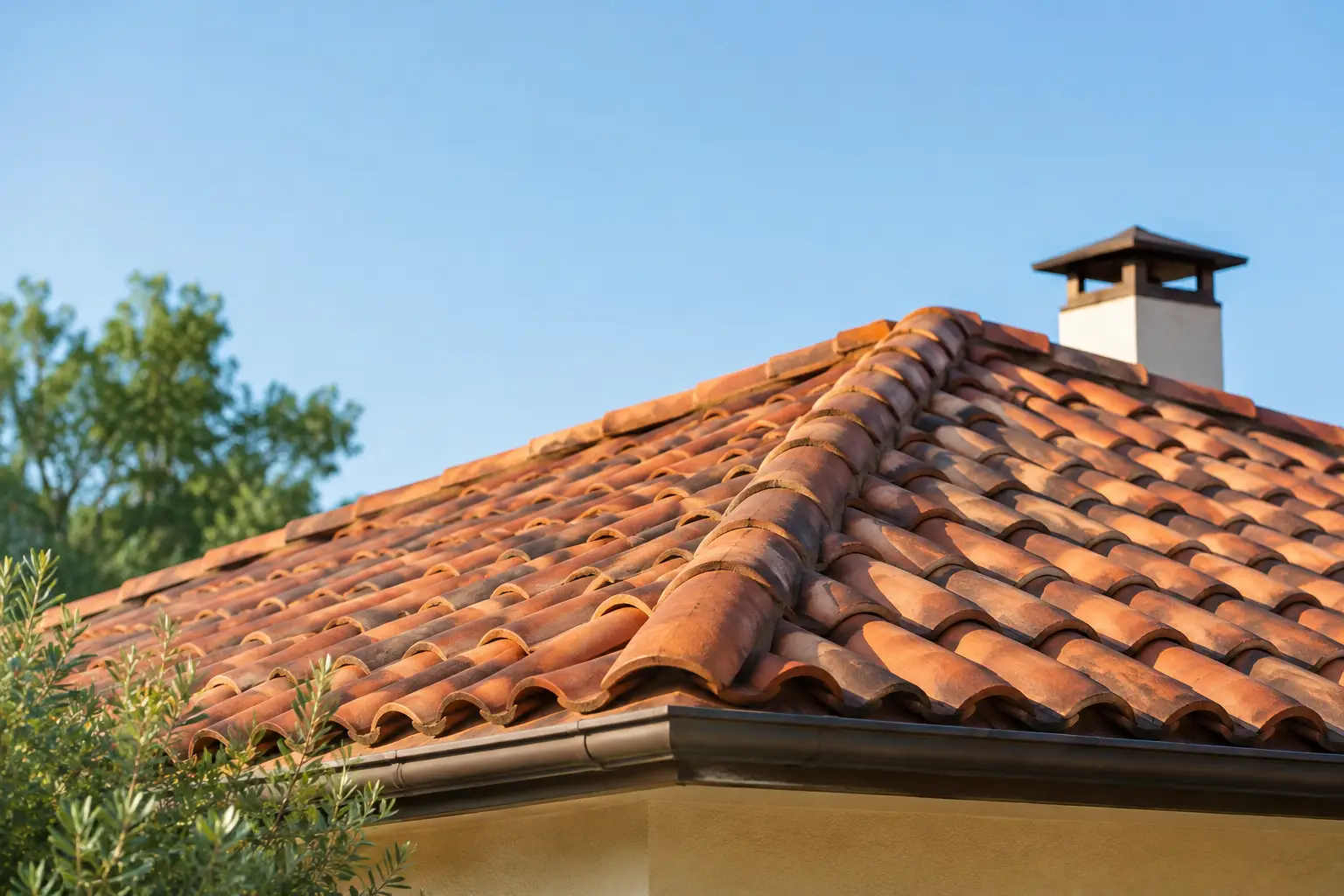
A clay roof that has sheltered a property for a century is not unusual in the UK. That is the practical appeal of clay tile longevity: a well-made tile can outlast several generations of felt, fixings and flashings beneath it. For owners of period homes and the roofers who maintain them, the question is rarely whether clay is durable. It is whether the existing roof has been detailed, repaired and ventilated in a way that lets those tiles deliver their full working life.
Clay tiles are not all the same, and neither are the roofs they cover. Handmade heritage tiles, machine-made plain tiles and interlocking profiles each have different tolerances, appearances and fitting requirements. A long-lasting roof depends on matching the right materials to the pitch, exposure and original construction – then addressing weak points before they become leaks.
Clay Tile Longevity Starts With the Tile Itself
Clay is fired rather than coated, so its colour and character run through the material. A properly fired tile is highly resistant to sunlight, rain and normal frost exposure. Unlike many modern finishes, it does not rely on a surface paint that can fade or peel away. Over time, clay develops weathering, staining and tonal variation, but this is usually part of its character rather than a sign that the tile has reached the end of its life.
The quality of firing matters. Under-fired tiles can be more porous and susceptible to frost damage, while overly vitrified tiles may be brittle in certain circumstances. Good heritage clay tiles were often made from local clays and fired in batches, which explains their natural variation in shade, texture and size. That variation is valuable on a period roof, but it also means replacement material must be selected carefully.
A reclaimed tile with surface weathering can still be structurally sound. Before reuse, it should be checked for cracks, lamination, excessive erosion around nail holes, distortion and evidence of frost spalling. Inspection is essential because an attractive old tile is not automatically a serviceable one. Sound reclaimed tiles, properly graded, can provide both visual continuity and many further decades of use.
The Roof Build-Up Matters as Much as the Tiles
Clay tiles are a rain-shedding covering, not a waterproof membrane. Their longevity is closely tied to the condition of the roof structure and the components that support them. Battens, underlay, fixings, valleys, abutments and ridge details all need to work together.
On older roofs, the tiles may remain in good condition while the nails holding them have corroded. This can lead to slipped tiles, particularly after high winds, even though the clay itself is perfectly usable. Nail fatigue is a common reason for repair work on heritage roofs. It should not be treated as proof that every tile needs replacing.
Underlay also has a limited life. Traditional roofs may have no underlay at all, relying on sound tile laps, pitch and ventilation. Where a roof is being stripped and re-covered, modern breathable underlay can provide a useful secondary line of defence, but it must be fitted correctly. Poorly detailed underlay can trap moisture or direct water into the wrong place. It is not a substitute for correct laps, sound flashings and appropriate tile gauge.
Roof pitch is another deciding factor. Plain clay tiles typically require a steeper pitch than larger interlocking tiles because their performance depends on overlap. Reducing the pitch below the manufacturer’s recommendation increases the risk of wind-driven rain reaching the roof space. On a listed building or a period renovation, retaining the original profile and pitch is often vital for appearance as well as performance.
Fixings Must Suit the Exposure
The UK’s varied weather makes fixing specification more than a routine detail. Roofs in exposed locations, coastal areas and high-wind zones may need more extensive mechanical fixing than a sheltered inland roof. Tile clips, nails and the correct lap all help resist wind uplift.
Using incompatible metals can create avoidable problems. Fixings should be selected for the environment and expected service life, while leadwork around chimneys, valleys and abutments should be installed with allowance for thermal movement. A durable clay roof can still fail prematurely where a valley is undersized, a flashing is poorly chased into brickwork, or a ridge has been bedded without adequate mechanical support.
What Usually Shortens a Clay Tile Roof’s Life?
Clay itself is resilient, but roofs are often damaged by water, movement and unsuitable intervention. Frost damage can occur when a porous or already cracked tile repeatedly absorbs water and freezes. This may show as flaking faces, broken edges or surface spalling. Isolated damaged tiles should be replaced promptly, as gaps allow water and wind to affect surrounding areas.
Moss is often blamed for every roof issue, yet a light covering is not automatically harmful. The concern is heavy growth that retains moisture, blocks drainage paths or lifts tiles at laps. Aggressive pressure washing is rarely the right answer. It can damage older tiles, force water beneath the covering and leave a roof looking unnaturally stripped. If cleaning is necessary, it should be assessed alongside the roof’s age, condition and heritage value.
Foot traffic causes another avoidable problem. Clay tiles can crack under concentrated weight, especially where battens have weakened or tiles have become brittle with age. Access should be kept to a minimum and carried out by competent roofers using suitable methods. Satellite installations, solar work and chimney repairs should never treat the roof covering as an incidental surface.
Poor ventilation can also affect the wider roof system. Condensation in the loft can rot timbers, corrode fixings and create damp conditions that are wrongly blamed on the tiles. The solution depends on the construction. It may involve improving eaves ventilation, managing insulation levels or correcting blocked airflow, rather than altering a sound clay covering.
Repair or Re-Roof? Make the Decision on Evidence
A few slipped, cracked or missing tiles do not justify stripping an entire roof. Localised repairs are often the most economical and conservation-minded option, particularly where the majority of original tiles remain sound. The challenge is obtaining replacements with a compatible size, nib position, thickness, colour range and surface texture.
This is where reclaimed stock has a clear advantage. A new tile may be technically sound but look conspicuously different on a weathered roof. Reclaimed handmade and heritage tiles can help retain the established character of a roof, especially on Victorian, Edwardian and rural properties where small differences in texture are obvious from the ground.
A full re-roof becomes more appropriate when failures are widespread: extensive nail corrosion, recurring leaks across multiple slopes, decayed battens, widespread frost damage or a roof covering that has been altered beyond practical repair. Even then, retaining and reusing sound original tiles where possible can preserve authenticity and reduce waste. The roof should be surveyed before materials are ordered, rather than estimated from a photograph or a handful of broken samples.
Matching Replacement Clay Tiles Properly
When sourcing replacements, measure more than the visible face. Record the tile’s overall length and width, thickness, hanging length, nib arrangement and whether it is single or double cambered. Check the existing gauge on the roof and note the prevailing colour mix – not just one dominant shade. Old clay roofs often contain reds, oranges, browns and darker fired tones within the same slope.
It is also worth identifying the roof’s details. Ridge tiles, bonnets, valleys, hip tiles and eaves courses may have profiles that are no longer routinely produced. A close match in the main field tile can still look wrong if the ridge or verge treatment is unsuitable. ReclaimedRoofSlates.com supplies reclaimed and heritage roofing materials for projects where those details matter as much as the main covering.
A Sensible Maintenance Approach
A visual check after severe weather and a closer inspection at sensible intervals will catch most issues early. Look for slipped or broken tiles, displaced ridge pieces, damaged mortar, blocked gutters, loose flashings and staining around chimneys or valleys. From inside the roof space, check for daylight, damp timbers and signs of water tracking.
Do not delay small repairs. Replacing one cracked tile, securing a loose ridge tile or clearing a blocked valley is straightforward compared with repairing water-damaged battens and ceiling finishes. Equally, avoid unnecessary work. An old clay roof with cosmetic weathering may have many years left, and replacing sound material simply for a uniform appearance is rarely good value.
The lasting value of clay lies in its repairability. With compatible reclaimed tiles, sound fixings and careful attention to the roof’s weak points, a historic roof can keep doing its job without losing the character that made it worth preserving.

