

Reclaimed Burlington Slate Per Tonne Guide
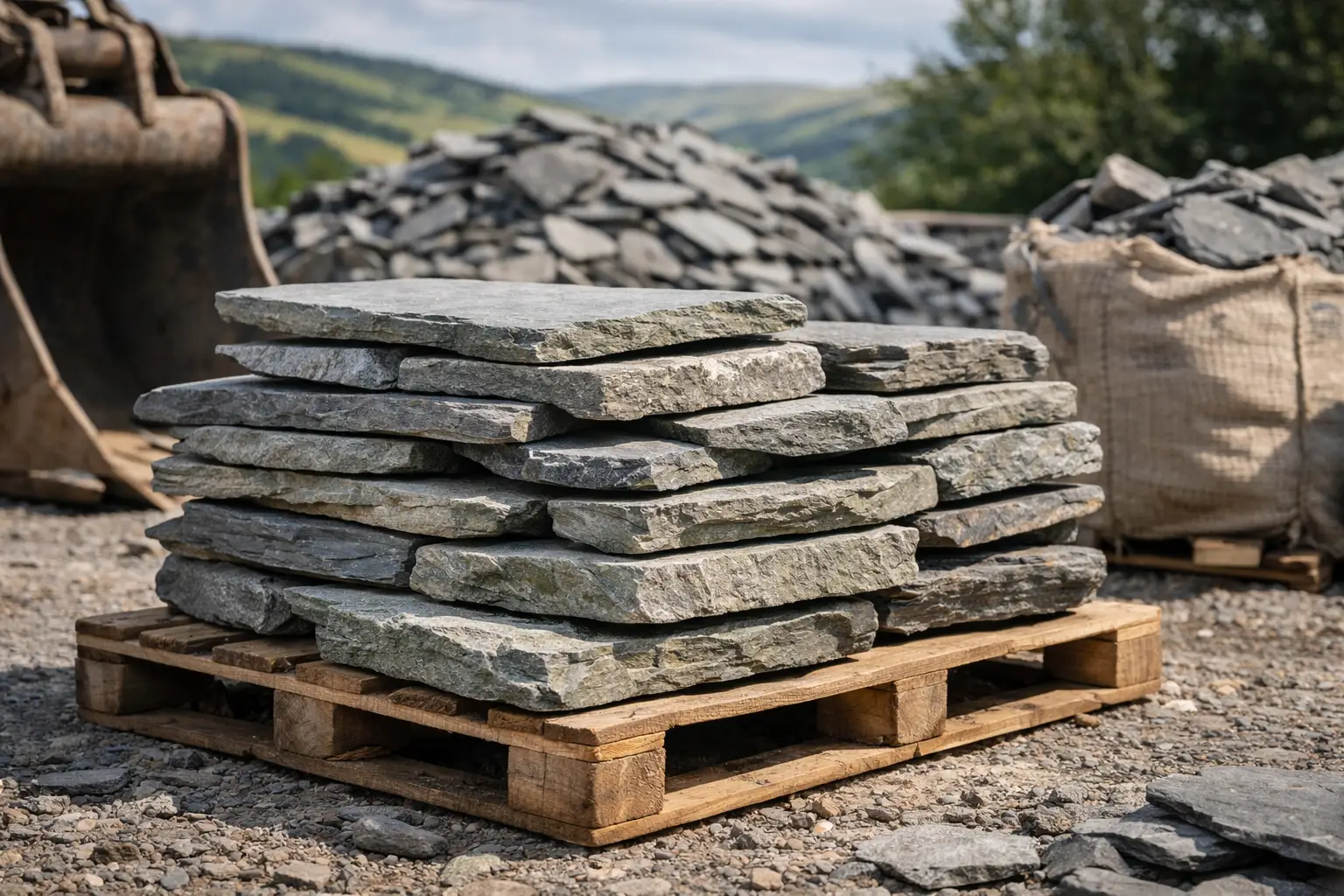
When you are pricing a full roof, a large repair, or a batch of matching replacements, reclaimed Burlington slate per tonne is often the most practical way to buy. It gives trade buyers and renovators a clearer handle on volume, transport, and overall project cost than piece-by-piece pricing, especially where consistency and availability matter just as much as appearance.
Burlington slate remains one of the most recognisable roofing materials used on period and high-end properties across the UK. Its appeal is not just visual. It is a hard-wearing natural stone with a long service life, a distinctive character, and the sort of established performance that matters on exposed roofs. In reclaimed form, it also gives you a realistic route to matching an existing roof without introducing obvious variation in colour, thickness, or weathering.
Why reclaimed Burlington slate per tonne makes sense
For small patch repairs, buying individual slates can work. For broader repairs, strip-and-reslate jobs, or larger heritage projects, tonne-based purchasing is usually more efficient. It allows you to plan around coverage, sorting, labour, and wastage in a way that suits how roofing contractors actually buy and schedule materials.
A tonne also gives a better sense of stock depth. With reclaimed materials, availability is never as uniform as new-manufacture product. One of the first questions trade buyers ask is not simply price, but whether there is enough of the right slate in one batch to keep the roof visually consistent. Buying reclaimed Burlington slate per tonne helps answer that question early.
There is also the transport point. Slate is heavy, and haulage matters. Whether you are supplying a job in West Yorkshire, London, or elsewhere in the UK, the delivered cost can shift the value equation. Looking at the order in tonnes helps you compare material cost against carriage in a more sensible way.
What a tonne of reclaimed Burlington slate actually means
A tonne tells you weight, not exact roof area. That distinction matters. Coverage depends on slate size, thickness, headlap, gauge, roof pitch, and the condition mix within the batch. Two tonne lots may not cover the same area if one contains heavier, thicker slates or a different size profile.
That is why experienced buyers never treat tonnes as a simple square metre conversion without checking the slate details. If you are matching onto an existing roof, the dimensions and thickness are usually the starting point. If you are re-roofing, the intended lap and fixing specification come into play.
As a working rule, buyers should ask for the slate size range, approximate coverage, thickness profile, and how the batch has been sorted. A reputable supplier will understand that a tonne is only useful when tied to practical roofing information.
Coverage depends on more than weight
The same reclaimed Burlington slates can be laid differently depending on roof pitch and exposure. A steeper or more exposed roof may require a different lap, which affects coverage. Likewise, diminishing courses, random sizing, or projects with awkward cuts around valleys, dormers, and abutments can reduce the net area you achieve from each tonne.
This is one reason waste allowance should never be an afterthought. On a clean rectangular roof you may keep waste tighter. On a more complex roof, or where matching an older laid roof takes extra selection, you will want a sensible margin built into the order.
What affects the price of reclaimed Burlington slate per tonne
Price is shaped by more than just weight and demand. The quality of the slate itself, the consistency of the batch, and the preparation work already done all influence cost.
Condition is one of the biggest factors. Reclaimed slates that have been carefully stripped, checked, and sorted will command more than mixed salvage straight from site. That premium is often justified. Cleaner, better-graded stock saves time on the roof and reduces the risk of avoidable breakage or excessive discards.
Size also matters. Strong demand for common repair sizes or project-friendly dimensions can affect the rate per tonne. Thickness profile matters too, particularly where the buyer is trying to match an existing roof line. Burlington slates are not chosen on price alone. They are chosen because the right slate keeps the roof looking correct.
Provenance and appearance can also influence value. Some batches have more consistent colour and weathering than others. On heritage and high-visibility work, that consistency can be worth paying for. A cheaper mixed tonne can become a false economy if too much of it has to be set aside.
Sorting and grading are not small details
If reclaimed slate has been graded for usability, size, and general condition, that reduces uncertainty. Trade buyers know the difference between buying a tonne of usable roofing material and buying a tonne of work. If your roofing gang has to spend hours re-sorting, rejecting damaged pieces, or hunting for matching sizes, the job cost rises even if the headline material price looked attractive.
This is where specialist supply earns its keep. The right grading process can make the difference between a straightforward order and a site delay.
What to check before you order
The first check is compatibility with the existing roof. Burlington slate has a particular look, but there can still be variation in tone, edge condition, thickness, and hole pattern. If the job is a repair rather than a full re-roof, those details need checking before quantity is agreed.
The second check is usable coverage, not just gross weight. Ask how much of the tonne is expected to be roof-ready and what allowance should be made for cuts and wastage. If the order is for a visible elevation, ask about batch consistency as well as size.
The third check is practical handling. A tonne of slate needs the right unloading arrangements, access planning, and site storage. On busy urban jobs or restricted properties, delivery format can be just as important as the slates themselves.
Questions worth asking your supplier
Ask whether the slates have been sorted and inspected, what size or size range is included, whether they are nail-holed or require further preparation, and what estimated coverage you should expect. Also ask whether matching accessories or complementary roofing materials are available, because many slate jobs are delayed by missing fixings, flashings, ridges, or battens rather than by the slate order itself.
Reclaimed versus new Burlington-style slate
For heritage work, the reclaimed option is often the right one on appearance alone. New slate can be excellent in the right application, but it will not always blend into an older roof where weathering, edge wear, and established character are part of the finished look.
There is also the planning and conservation angle. On period properties, especially where authenticity matters, reclaimed material is frequently the better fit. That does not mean reclaimed is automatically the right answer for every job. If uniformity, programme certainty, or exact repeatability are the main priorities, new slate may be easier to source in standardised quantities.
The trade-off is straightforward. New product can offer predictable specification. Reclaimed product offers a closer visual and heritage match. The right choice depends on whether the job is driven by conservation, cost control, appearance, or programme.
Who typically buys reclaimed Burlington slate per tonne
This buying format suits roofing contractors, builders, and restoration teams working beyond minor patch repairs. It also suits property owners managing larger refurbishment work where a piecemeal approach becomes inefficient.
For trade buyers, the appeal is clear. You can secure meaningful quantity, assess project cost more accurately, and keep the roof finish more consistent than if you were sourcing odd lots from multiple places. For homeowners and renovators, tonne-based buying can still make sense if the contractor is re-covering a substantial area or trying to maintain a period roof properly rather than making short-term cosmetic fixes.
Why specialist stock matters
Not all reclaimed slate supply is equal. Large or carefully managed stock gives buyers a better chance of finding the right size, tone, and quantity in one place. That matters on matching jobs, but it matters just as much on scheduling. Roofers do not want half a load now and a compromise later.
A specialist supplier can also help join up the rest of the roofing package. On many jobs, the slate is only one part of the order. Battens, lead, fixings, ridge tiles, sealants, and basic site essentials all need to line up. ReclaimedRoofSlates.com focuses on that practical reality – supplying reclaimed roofing materials in the way trade and serious renovation customers actually need them.
If you are pricing reclaimed Burlington slate per tonne, treat the tonne as the starting point, not the whole answer. Check the grading, check the coverage, check the match, and check the logistics. Get those details right and you stand a far better chance of receiving slate that works on the roof, not just on paper.
The best order is not the cheapest tonne. It is the one that arrives fit for the job, matches the building, and saves trouble once the slates start going up.

