

7 Best Eco Friendly Roofing Materials
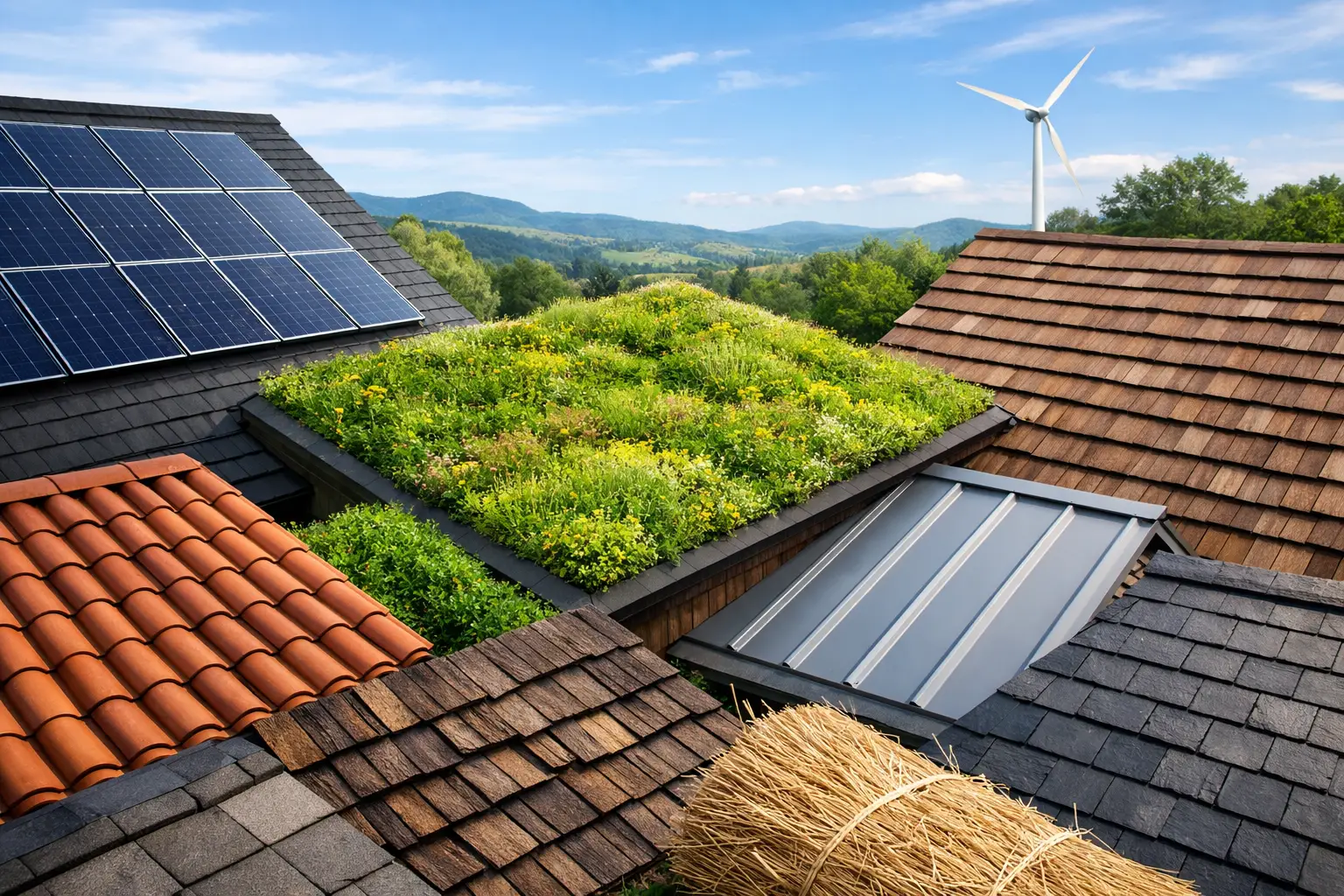
A roof replacement is one of the biggest material decisions on any property. Get it right and you improve lifespan, cut waste and protect the character of the building at the same time. That is why the best eco-friendly roofing materials are not just the ones with a green label – they are the ones that last, suit the structure and can be sourced with confidence.
For trade buyers, renovators and homeowners working on repairs, the real question is not simply which roof covering looks sustainable on paper. It is which material offers proven service life, sensible maintenance, reliable compatibility and, where required, the right appearance for a period or heritage setting. In roofing, sustainability and practicality need to sit together.
What makes the best eco-friendly roofing materials?
A roofing material earns that description through a mix of factors rather than one headline claim. Lifespan matters because a roof that lasts for decades, or well over a century in some cases, avoids repeated manufacturing, transport and disposal. Recycled content matters too, as does the ability to reuse the material again at the end of its first life.
There is also the issue of suitability. An environmentally sound option in one context can be a poor choice in another. A very heavy natural product may be less suitable on a structure not designed to carry it. Equally, a lightweight modern product may perform well on a new build but look entirely wrong on a stone cottage or listed property. The best result usually comes from balancing embodied impact, longevity, repairability and visual fit.
1. Reclaimed slate
For many traditional properties, reclaimed slate is one of the strongest answers. It extends the life of a material that has already proved its durability, keeps usable slate out of waste streams and offers the closest match when carrying out localised repairs. On period roofs, that matching point is often critical. A new slate patch on an older roof can stand out immediately in both colour and texture.
Good reclaimed slate also has another advantage – it is known. If a batch has been properly sorted and checked for condition, thickness and consistency, you are working with a material that has already performed in UK weather. Welsh slates, Burlington slates and other established reclaimed options remain in demand for exactly that reason.
The trade-off is supply consistency. Reclaimed stock can vary by size, thickness and quantity, so buying from a specialist supplier matters. This is especially important when a contractor needs enough material for a full slope or must match existing courses on a repair.
2. Natural slate
New natural slate remains one of the best eco-friendly roofing materials when the brief is long life and low maintenance. A quality slate roof can last for many decades, and in the right specification far longer. That long service life spreads the environmental cost over a very long period, which is one reason slate still compares well against many shorter-life alternatives.
It also suits a wide range of UK properties, from higher-end new builds to heritage work where reclaimed stock is not available in the quantity required. Natural slate is fire resistant, visually established and generally repairable on a piece-by-piece basis.
What changes the equation is sourcing. Not all slate is equal. Geology, grading and transport distance all play a part. For buyers looking at sustainability seriously, the conversation should include origin, expected lifespan and whether reclaimed alternatives are available for the same project.
3. Clay roof tiles, especially reclaimed clay tiles
Clay tiles are another sound choice, particularly on traditional houses where slate would be architecturally out of place. Reclaimed clay tiles such as Rosemary tiles are especially useful on restoration and extension projects because they preserve the aged appearance of the existing roof while reducing demand for newly manufactured material.
From an environmental point of view, clay performs best when viewed over the long term. It is durable, well understood and often easier to blend into repair work when reclaimed examples can be sourced. A roof covered in compatible reclaimed clay tiles often avoids the visual disruption that comes with sharply coloured new production tiles.
The limitation is weight and roof pitch compatibility. Clay is not a universal answer, and tile selection should always reflect the building design, local planning constraints and the exposure level of the site.
4. Stone slates
On certain regional properties, particularly older buildings, stone slates are difficult to beat for both authenticity and lifespan. Yorkshire stone slates are a good example. They are heavy, distinctive and deeply tied to local building character. Where the roof structure is designed for them and the building calls for them, they can be one of the most sustainable choices available simply because they are so enduring and so appropriate to the property.
This is not a material for every job. Structural loading is a serious consideration, and sourcing enough matching stone slates can be more involved than ordering standard roof coverings. But on the right project, particularly heritage restoration, there is no real substitute.
5. Recycled metal roofing
Metal roofing, especially where it contains a high proportion of recycled content, can make strong environmental sense on the right building. Steel and aluminium systems are relatively lightweight, highly recyclable and capable of long service life when properly specified and installed.
For agricultural buildings, contemporary homes and some extensions, metal can be an efficient option with low maintenance requirements. It may also support rainwater harvesting well due to its smooth surface.
Where it falls short is heritage compatibility. On a period property in slate or clay tile country, metal can look out of place. Noise performance, detailing and condensation control also need proper attention. It is a good option, but not a universal one.
6. Timber shingles and shakes
Timber roofing can be environmentally credible where the wood is responsibly sourced and the design suits the material. It is renewable, visually attractive and can work well on rural or architect-led projects.
In the UK market, though, timber carries more caveats than many buyers first expect. Lifespan depends heavily on species, treatment, site conditions and maintenance. In damp, shaded or exposed locations, performance can vary significantly. Fire regulations and local requirements can also affect suitability.
That means timber is often a niche answer rather than the default recommendation. It can be the right eco-conscious choice for some projects, but it requires a clear-eyed view of maintenance and service life.
7. Green roofs
A green roof is a different category, but it deserves a place in the discussion. On flat or low-pitch roofs, an extensive green roof can improve biodiversity, slow rainwater run-off and add thermal benefit. For urban schemes and certain commercial or domestic extensions, that can make it a valuable part of a wider sustainable build strategy.
The key point is that green roofs are systems, not just coverings. They need proper structural design, drainage planning, waterproofing and maintenance access. They are rarely relevant to traditional pitched heritage roofs, but on suitable flat roof applications they can offer genuine environmental benefit.
How to choose between eco-friendly roofing materials
The best choice usually starts with the building, not the brochure. If you are repairing a period roof, the most sustainable route is often to keep as much of the existing roof as possible and use compatible reclaimed materials for replacements. That approach reduces waste, maintains the character of the property and avoids unnecessary full-strip replacement.
If you are reroofing a whole slope or a complete property, think in terms of lifespan first. A cheaper covering that needs replacing much sooner may be less sustainable than a higher-value material with a far longer service life. This is where slate, clay and stone still hold their ground.
You also need to consider availability. Sustainable intent is only useful if the material can be supplied in the right quantity and specification. For contractors, that means asking practical questions early – are the sizes consistent, are there enough matching pieces, and can the accessories and fixings be sourced alongside the main covering?
Best eco-friendly roofing materials for heritage and repair work
For heritage projects and patch repairs, reclaimed products are often the most sensible route. They support visual continuity, preserve original character and make use of materials already in circulation. That is particularly valuable when replacing storm-damaged sections, extending period buildings or dealing with hard-to-match roofs where modern substitutes would be obvious.
This is where specialist supply becomes important. A broad reclaimed stock gives buyers a better chance of finding the right slate, tile or stone for the job rather than settling for an approximate match. Reclaimed Roof Slates focuses on that practical need, supplying reclaimed and heritage-compatible roofing materials for both repair work and larger restoration projects.
Sustainability in roofing is rarely about chasing the newest option. More often, it comes down to using durable materials well, repairing before replacing, and choosing products that belong on the building in front of you. If the roof looks right, lasts well and avoids waste, you are usually on the right track.

