

Choosing Sustainable Roofing Materials
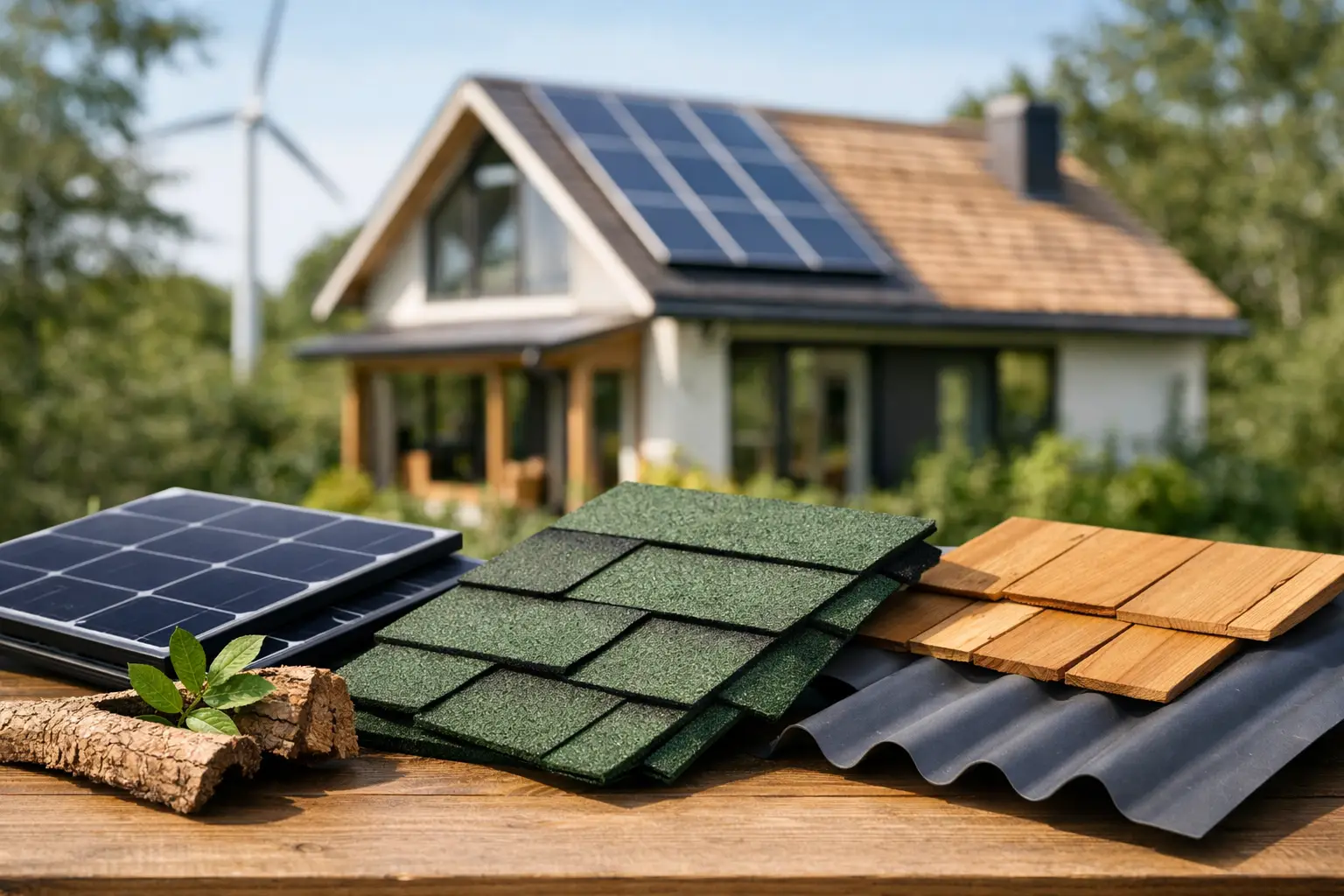
A roof replacement can generate a surprising amount of waste, especially when sound materials are stripped out and sent for disposal simply because they are older. That is why sustainable roofing materials matter far beyond fashion or box-ticking. For contractors, renovators and homeowners, the real question is practical – which materials reduce waste, last properly, suit the building, and can still be sourced with confidence when the job needs matching pieces later.
For many projects, sustainability in roofing is not about chasing the newest product. It is often about choosing materials with a proven service life, lower replacement frequency and, where appropriate, genuine reuse. On period properties in particular, the best environmental choice is frequently the one that preserves the roofscape, avoids unnecessary manufacturing and keeps usable materials in circulation.
What makes roofing materials sustainable?
Sustainability in roofing is usually judged on a few connected factors. The first is lifespan. A material that performs for decades with minimal intervention will often compare well against a cheaper option that needs replacing much sooner.
The second is embodied impact. Quarrying, firing, processing and transport all carry an environmental cost. Reclaimed products can reduce part of that burden because the material already exists and is being reused rather than manufactured again from raw inputs.
The third is suitability. A sustainable choice still has to work on the building in front of you. If a material is technically green on paper but fails early because it is wrong for the pitch, exposure or detailing, it stops being a sustainable decision very quickly.
Reclaimed slate as a sustainable roofing material
In many UK roofing projects, reclaimed slate is one of the strongest answers when clients ask about sustainable roofing materials. It keeps high-quality natural stone in use, reduces waste and offers the sort of lifespan that modern short-cycle materials struggle to match.
Natural slate already has a strong reputation for durability. When reclaimed slate has been carefully sorted and checked, it can be used again with excellent results on repairs, partial reroofs and full heritage projects. That matters for more than appearance. If you are repairing storm damage on an older property, matching the existing roof properly can prevent the patchwork look that often comes from mixing incompatible materials.
There is also a conservation benefit. Period buildings were designed around specific roofing weights, slate sizes and laying patterns. Reclaimed Welsh slates, Burlington slates or Yorkshire stone slates often provide the right visual character and practical compatibility in a way that newly manufactured substitutes may not.
That said, reclaimed slate is not a one-size-fits-all answer. Quality varies if the supply chain is weak, and consistency matters. Slates need proper grading, sensible sorting and realistic expectations about size variation. This is where specialist sourcing becomes important. Buying from a knowledgeable merchant with inspected stock is very different from buying a vague mixed batch and hoping for the best.
Sustainable roofing materials for heritage and period properties
On listed buildings, cottages, farmhouses and older town properties, sustainability is closely tied to authenticity. A roof that respects the original material palette is usually the right decision aesthetically, and often the right one technically as well.
Reclaimed clay tiles can be a strong option where the existing roof was built with traditional plain tiles or distinctive heritage profiles such as Rosemary tiles. Reusing clay products helps retain character while reducing demand for new manufacturing. For visible roof slopes, that continuity can make a major difference to the final result.
Stone slates also deserve mention. They are heavy, specialist materials, but on the right building they offer outstanding longevity and an appearance that cannot be copied convincingly by lightweight modern alternatives. When reclaimed stone slates are available in suitable sizes and thicknesses, they are among the most credible sustainable roofing materials for regional heritage work.
The trade-off is supply. Heritage-compatible reclaimed materials are not always available at short notice, and exact matching can take planning. For contractors, that means building procurement into the programme rather than treating the roof covering as a late-stage commodity.
How new clay, metal and composite options compare
Not every project suits reclaimed materials, and not every customer is working on a period property. New clay tiles remain a respectable choice where long life and traditional appearance are priorities. Good clay products can last for many decades, though they carry the environmental cost of firing and transport.
Metal roofing can also perform well from a sustainability perspective, particularly because of its long service life and recyclability. On certain agricultural, contemporary or low-maintenance projects, standing seam and sheet systems make sense. The difficulty is that they are usually not suitable for heritage matching, and visually they can be completely wrong for older domestic roofs.
Composite and synthetic products are often marketed hard on environmental claims, but they need closer scrutiny. Some include recycled content, which can be positive, yet lifespan, weathering performance and long-term appearance still need to stand up. A material is not automatically sustainable because the brochure says so. For many traditional roofs, the safer route is still a proven material with known behaviour over decades.
Choosing the right sustainable roofing materials for the job
The best specification depends on the building and the scope of work. A one-slope repair on a Victorian terrace has different priorities from a full reroof on a barn conversion. Matching, planning constraints, loading, pitch and exposure all need to be considered before anyone talks about green credentials.
For repair work, reclaimed materials often give the best balance of sustainability and appearance because they allow the existing roof to remain in service rather than forcing a full replacement. If only a section has failed, replacing that area with compatible reclaimed slates or tiles is usually more sensible than stripping sound materials elsewhere.
For full reroofs, the calculation can be broader. You need to weigh lifespan, waste reduction, ease of future maintenance and the chance of securing matching pieces later. This is why established reclaimed stock can be so useful. It offers not only the roof covering itself but also continuity for future repairs.
It is also worth looking beyond the main covering. A genuinely sustainable roofing job includes the right accessories and detailing – ridges, valleys, lead, fixings, battens, underlay and ventilation all affect service life. Poor ancillary choices can shorten the life of good slates or tiles.
Supply quality matters as much as material choice
A sustainable roof is not created by material type alone. It depends on sourcing, inspection and consistency. Reclaimed products should be checked for condition, sorted sensibly and supplied with enough information for the roofer to use them efficiently.
This is especially important on larger jobs and insurance repairs, where delays caused by inconsistent batches can quickly erode cost savings. Trade buyers need reliable quantities, repeatable grading and access to matching accessories in the same order. Homeowners need clear advice on what will and will not match an existing roof.
That is one reason specialists such as ReclaimedRoofSlates.com remain relevant in a market full of generic building supply. When the requirement is heritage fit, reclaimed quality and dependable stock, specialist knowledge is part of the product.
Common mistakes when specifying sustainable roofing materials
One common mistake is choosing on upfront price alone. A cheap covering with a short life or poor compatibility can create more waste and more labour cost over time than a better material specified properly at the start.
Another is treating all reclaimed products as equal. Some batches are excellent. Some are mixed, tired or unsuitable for visible elevations. The difference usually comes down to sorting, inspection and honest grading.
There is also a tendency to focus only on the roof covering and ignore the roof as a system. Even the best reclaimed slate will underperform if the fixing method is wrong, the battens are poor or the flashings are neglected. Sustainability in practice means building a roof that lasts, not just buying a material with a good story attached to it.
If you are weighing up sustainable roofing materials, start with the building rather than the trend. Ask what needs to be preserved, what can be reused and what will still be performing well twenty or fifty years from now. Usually, the right answer is the one that combines proven durability, practical compatibility and a supply source that knows exactly what it is selling.

